Determining your undertone
your undertone is the color that is under the skin (not to be confused with overtones). Everyone’s undertone sits somewhere on the spectrum of cool (more blue) to warm (more yellow.) I say it’s a spectrum because it is—some people are obviously richly warm and some are very icy cool, but most are somewhere in the middle, and a few are true neutral, a perfect balance of warm and cool.
Once you know your undertone, you can eliminate any colors that have the opposite undertone. You can see where all the colors in the spectrum sit on the color wheel in this graphic. So, if you’re warm, you can eliminate all the colors on the cool side, and if you’re cool, eliminate warm colors.
Note: True red, green, blue, and yellow are technically universal or “neutral” colors.

I have been a fashion enthusiast since past few years. Recently,I have been interested in color theory and finding out what types of colors suits best for individuals. I will be writing this blog to the best of my knowledge
Color analysis is the process of determining the colors that best suit your natural coloring. There are a wide variety of approaches to analyzing personal coloring. The most well-known is “seasonal” color analysis, which places individual coloring into four seasons: Winter, Spring, Summer and Autumn.
Seasonal color analysis was made popular by Carole Jackson when she released her incredibly popular book “Color Me Beautiful” in 1980.

The colors from this season are clear and icy. like a winter’s dav; always with subtle blue undertones. To name a few: hollvberry red. emerald and evergreen, royal blue, magenta and violet. Winter inspires pictures of winter berries, pine green conifers and black and white huskies racing through snow.
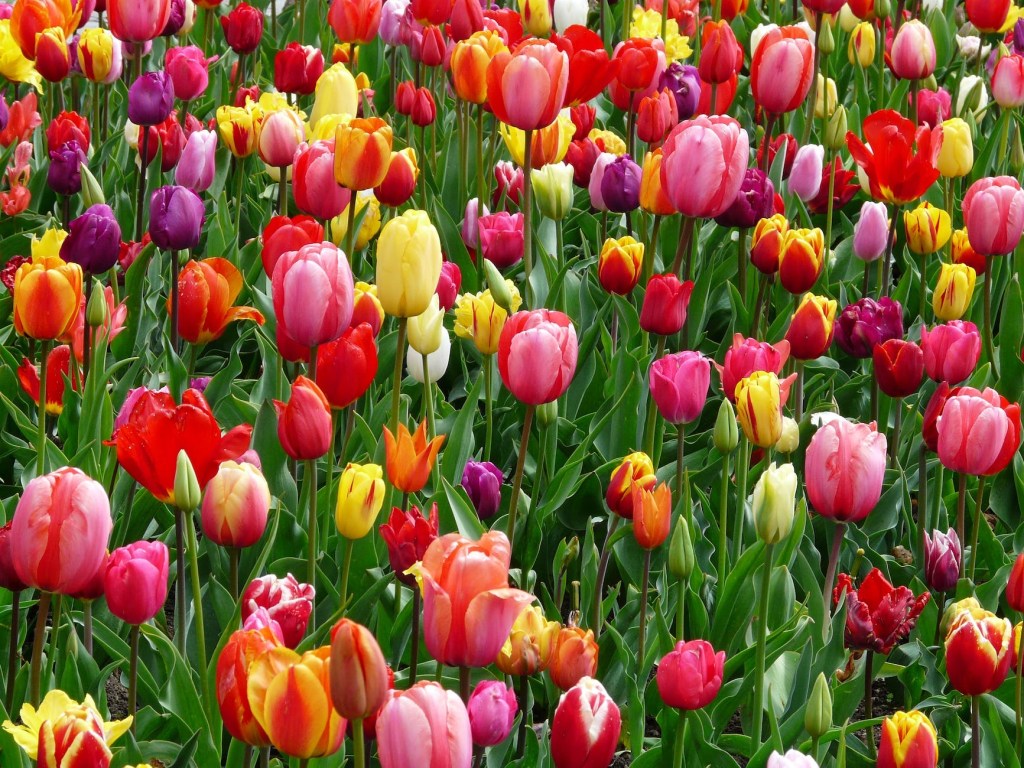
Spring colors are clear and bright, just like the colors of a spring day. The sun is low on the horizon, so everything is imbued with the golden hues of the sun. The trees and grass have not yet matured, so they are tinged with yellow undertones and are a bright spring green color.
Distinct yellow undertones impart a vibrant, electric appearance to everything. The colors of this season are truly like a spring bouquet of flowers enveloped in bright spring green leafy foliage: red-orange and coral tulips, bright yellow jonquils and daffodils.

The colors of this season are muted with blue undertones (think of looking at the scenery through a dusky summer haze). Late summer blossoms, a frothy ocean and white beaches are seen everywhere. Baby blue, slate blue, periwinkle, powder pink, seafoam green and slate grey are typical Summer colors.

Autumn colors are virtually indistinguishable from the rich, earthy colors of the season for which they were named. They are as golden-hued as a fall day, and it is impossible to mistake them for any other season. Typical colors from the palette include pumpkin, mustard yellow, burnt orange, brown, camel, beige, avocado green, rust and teal. Autumn colors are perennially popular, because they bring a feeling of warmth and security.
Your seasonal type is determined using two basic variables:
1. The undertone of your skin, hair and eyes (warm/golden vs cool/ashy)
2. How light vs deep your overall colouring and specifically your hair is
Your skin’s undertone is the color underneath the surface. You can have the same skin color (ivory, tan, beige, etc) as someone, but a different undertone which might cause you to look completely different.
Undertones are broken down like this:
Cool
pink, red or bluish undertones
Warm
yellow, peachy, golden undertones
Neutral
a mix of warm and cool undertones
If your hair and skin tone have warm undertones, you would be classified as either a Spring or an Autumn. If your skin has a blue-ish, cool undertone and your hair is more ashy with no golden or red highlights, you are either a Summer or a Winter.
5 methods to determine your undertone:
1. The Vein Test
This is one of the easiest tests to conduct on yourself, though it’s not always easy to interpret. You just look at the veins on your wrists or under your eyes to see if they appear to be more purple/blue (cool) ,green (warm) or blue/green (neutral)
2. Natural Hair Tone
To determine whether your hair is more cool or more warm, ask yourself: “Does my hair have any “golden” tones? Or would I describe it as “ashy”?” If it has warmth, your undertones are likely warm, but if it’s more ashy, then you’re probably cool. (Jet black and platinum blonde are usually cool.)
3. Jewelry test
Hold up gold and silver jewelry next to your face. Which one makes you look brighter and healthier and which one makes your skin more yellow, red, uneven, or gray? If gold jewelry gives you a lift, you’re warm. If silver is better, you’re cool.
4. Best Neutrals
Compare warm and cool neutrals to your skin, wearing no makeup. Test white versus cream, gray versus camel, and black versus brown. If you looked best in white, gray, and black, you’re cool. If you looked best in cream, camel, and brown, then you’re warm. (Cover your hair with a white towel )
Here is the link to my social media:
https://instagram.com/_.silviagomes._?igshid=NDk5N2NlZjQ=
Credit:
https://www.simplifiedwardrobe.com/blog/how-to-do-a-color-self-analysis
 Fashion.skincare.selfcare🦋
Leave a comment