
i have installed skincare in my daily morning and night routine since the age of 15 .when i was a beginner i made plenty of mistake back then,i also had tons of dark spots on my skin and i needed to find a solution for myself. good skincare products are food for your skin , treat your skin and yourself well. here are some beginner friendly skincare products i would recommend my past self and to you .

Step1: cleanse
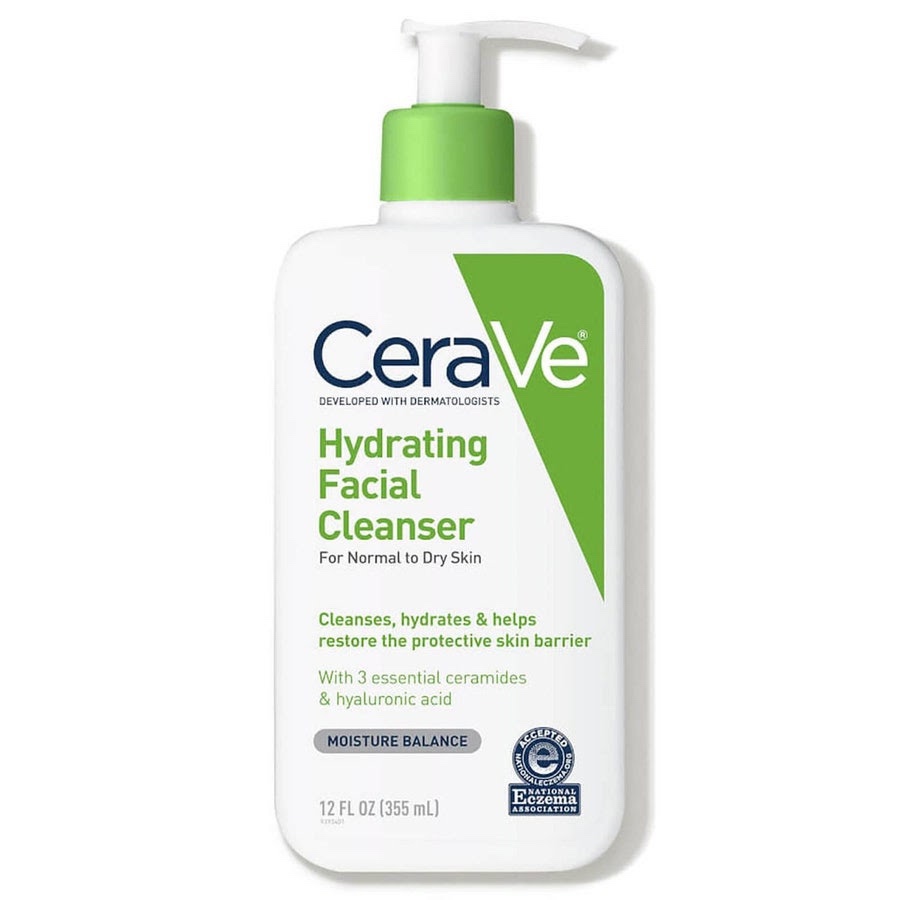
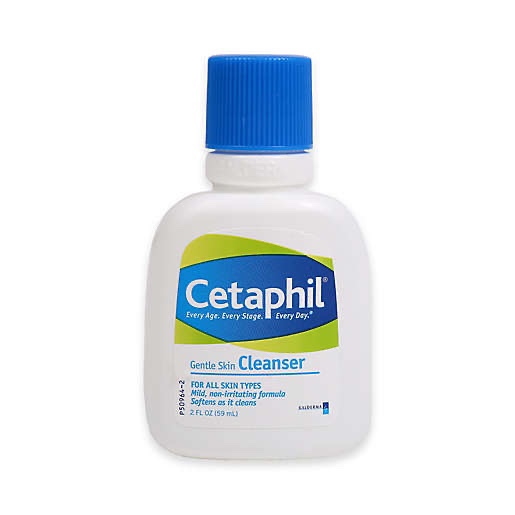
The general rule of thumb here is that cleansing your complexion twice per day — once in the morning, once in the evening — is ideal. Cleansing in the morning will help to remove any evidence of sweat or oil left from your pillow and hair during your beauty sleep
- Cerave
- Cetaphil
Step 2: serum
Face serums are all the rage nowadays. These hyper-concentrated skincare products are called upon to provide the best-in-class solution for stubborn skincare issues like dark spots and fine lines. However, the results also vary a lot depending on the constituting ingredients and the quality of the overall product. It also depends on their consistency and ease of application in some cases.
to exotic ones. Here are some common ingredients used in different types of face serums:
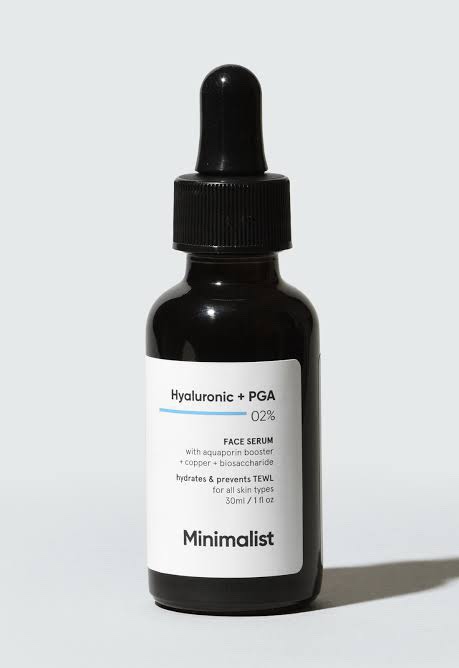
1) Hyaluronic acid: Serums contain hyaluronic acid that gets trapped in the natural water of the skin, keeping it hydrated throughout the day.
2) Antioxidants: Antioxidants in face serum benefits the skin by protecting it from environmental damage and stress. One can go for serums with green tea extracts, berries, pomegranate, etc.
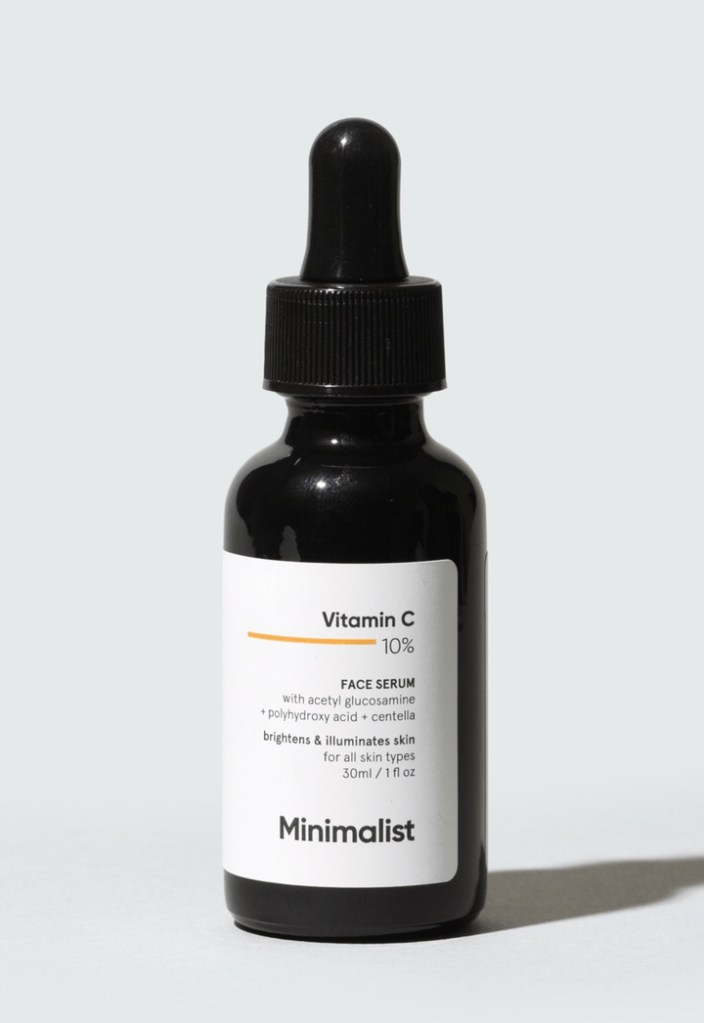
3) Vitamin C: Vitamin C is the common anti-aging ingredient that builds collagen. It enhances skin immunity and is ideal for women in their 30s and 40s.
4) Retinols: Retinols in face serums address acne-prone skin, wrinkles, and fine patches.
5) Anti-inflammatory: Women with sensitive skin must opt for serums with anti-inflammatory ingredients. They help prevent breakouts, redness, and inflammation. Aloe vera, zinc, and arnica are some popular anti-inflammatory ingredients.
- Hyaluronic + PGA 02%
- Vitamin C 10
- Minimalist 0.3% Retinol
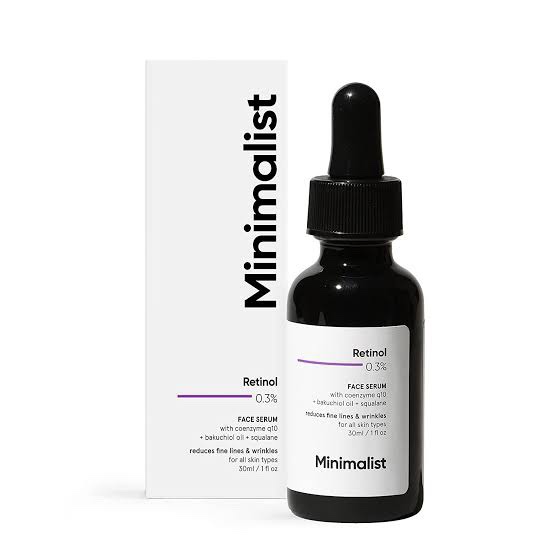
Any serums that I have recommended please use them one at a time for 3months at least.
Step 3: Moisturize
Beyond these parameters, you can also utilize this step to simultaneously address specific skin concerns by seeking out a moisturizer that’s formulated with additional ingredients that target specific needs. The general list of skin-care ingredients is a very long and ever-changing one, so for the purpose of this article, here are some of the top ones to know as they pertain to moisturizer:
- Hyaluronic acid: Plumps skin and restores lost hydration.
- Ceramides: Crucial for skin-barrier strength and overall health (and important for those with dry skin and eczema).
- Vitamin C: Provides antioxidant protection and overall skin brightening.
A few dermatologist-favorite moisturizers that tick many of the above boxes include La Roche-Posay Toleriane Double Repair Face Moisturizer, Vichy Aqualia Thermal UV Defense Moisturizer, and Clinique Dramatically Different Moisturizing Gel.
- La Roche-Posay Toleriane Double Repair Face Moisturizer

- Vichy Aqualia Thermal UV Defense Moisturizer

- Clinique Dramatically Different Moisturizing Gel

If you have oily or acne-prone skin, don’t think you can (or should) bypass daily moisturizer use. “Over-washing without the appropriate use of a moisturizer will actually trigger an over-production of oil on your skin,” Shokeen explains.
Farber concurs: “No matter how oily or acne-prone your skin may feel, it will become dry without rehydration, and dried-out skin is irritated skin.”
However, those with oily skin should seek out noncomedogenic moisturizers. The term noncomedogenic on a product label means that the ingredients will not block pores and cause further breakouts, Shokeen explains. A couple of her favorite noncomedogenic moisturizers for oil-prone skin include Neutrogena Hydro Boost Water Gel Moisturizer and EltaMD AM Therapy Facial Moisturizer.https://7c1008c2d50901a5b0d11cc5783094c0.safeframe.googlesyndication.com/safeframe/1-0-40/html/container.html?n=0
- Neutrogena Hydro Boost Hyaluronic Acid Hydrating Water Gel Daily Face Moisturizer

- EltaMD AM Therapy Facial Moisturizer

Step 4: Sunscreen
“Sunscreen is your first line of defense and protection against skin cancer,” Farber explains. “If you were to do nothing else for your skin, sun protection is the most important.”
Opt for a sunscreen that is SPF 30 or higher, and apply it daily (even when it’s cloudy), always as the final step in your skin-care routine. Some quality options: EltaMD UV Active Broad-Spectrum Sunscreen 50+, Supergoop Glowscreen SPF 40, and Coppertone Pure & Simple Sunscreen Lotion for Face SPF 50, which is formulated specifically for sensitive skin.
When choosing which type of sunscreen to apply, there are two routes to go: Chemical or mineral-based (in some cases, both are combined into one formula). Mineral sunscreens work as a shield, blocking the sun’s rays from penetrating the skin, thanks to ingredients like zinc oxide or titanium dioxide. Chemical sunscreens, on the other hand, protect the skin against UV rays by absorbing them, relying on ingredients such as octocrylene or avobenzone.
- EltaMD UV Active Broad-Spectrum Sunscreen 50+

- Supergoop Glowscreen SPF 40

- Coppertone Pure & Simple Sunscreen Lotion for Face SPF 50

Add in extra steps as needed (or wanted)
Once you have a basic routine down, you can begin to add in extra steps here and there, as needed. A good place to start is with exfoliation, adding it in as an additional step once or twice per week using alpha hydroxy acids (AHAs) or beta hydroxy acids(BHAs), which work in different ways to slough off excess buildup on the skin’s surface.
As with types of sunscreen, there are also two different methods of exfoliation you can choose between: Physical and chemical. The aforementioned AHAs and BHAs are chemical exfoliants, and they’re excellent for inducing cell turnover, increasing collagen formation, and improving dullness, Shokeen says. Physical exfoliation, on the other hand, is just what it sounds like — manually sloughing away dead skin cells, excess oil, and buildup via a face scrub. Sensitive skin types may want to steer clear of physical exfoliants, Shokeen says, as they can irritate the skin and can induce broken blood vessels.
Additional add-on steps you can rotate in and out of your routine as needed include serums and masks. Facial serums are high-potency, lightweight topicals that are formulated with a higher concentration of active ingredients — such as vitamin C and hyaluronic acid — to target more specific skin concerns. They should be layered underneath your moisturizer — a general rule of thumb is to apply products with a thinner consistency underneath thicker ones, such as moisturizers and oil.https://b46c156fa19aac9c5c81010119039f8e.safeframe.googlesyndication.com/safeframe/1-0-40/html/container.html?n=0
You can also add in a face mask here and there — though Shokeen recommends doing so no more than once or twice per week. “Face masks should be used periodically,” she explains, and applied onto clean, dry skin. Seek out a face mask that’s formulated to target whatever specific skin concerns you’re facing that day; common examples include hydrating, clarifying, calming, and brightening masks.
Remember these important tips
Less is more
As your skin-care routine continues to develop and evolve, perhaps the most important piece of information to remember as you’re slathering on products is this: Less is often more. “Paring down your regimen and sticking to key, important active ingredients will serve you much better than doing too much,” Farber advises. “Stick to products that do not have too many ingredients and are fragrance-free, and try new products one by one so you can see how your skin reacts.”
Have patience
If a new skin-care routine doesn’t seem like it’s “working” right away, know that when it comes to skin care, patience is a must (and if any product promises immediate results, be weary). “Don’t experiment too much,” Shokeen says. “Give your skin a chance to get used to a product or active agent for at least two to three months before switching.” The exception here, of course, would be if a skin-care product provokes any sort of irritation or allergic reaction — in which case, discontinue use right away.https://b46c156fa19aac9c5c81010119039f8e.safeframe.googlesyndication.com/safeframe/1-0-40/html/container.html?n=0
Consistency is key
“Stay consistent,” Shah says, which ties back to the having-patience part. As with many things in life, consistency — going through the same skin-care routine steps every day, morning and night — is key to producing and maintaining real results. Bottom line: Trust in the process (and your own skin), and follow through with whatever plan you set out for yourself.
Note
I am no dermatologist or skincare specialist , I am simply a person who is keen to gain knowledge of this subject. Whatever I have written in this blog is mostly the knowledge I have based on my own experience.

 Fashion.skincare.selfcare🦋
Leave a reply to Alisha Albert Gomes Cancel reply